The Day of Great Joy: A Dowry Furniture Exhibition That Reveals Daxi's Woodcraft Legacy
The Daxi Wood Art Ecomuseum organized 'The Day of Great Joy: Dowry Furniture Exhibition,' and Howdy Creative led the overall exhibition design, turning the generational story behind dowry furniture into an experience audiences could actually connect with.
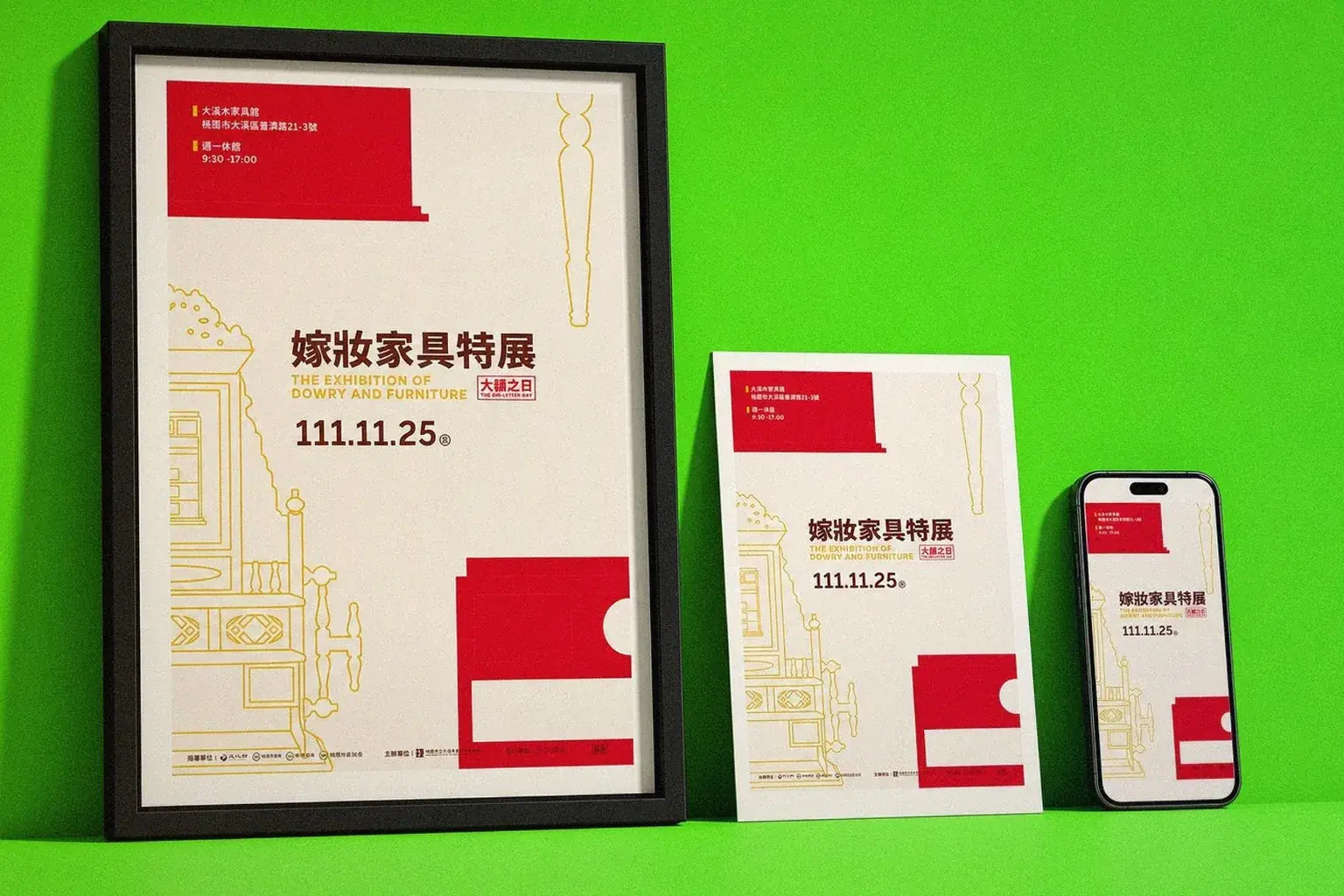
Challenge
As wedding customs have simplified, the concept of a 'dowry' has grown unfamiliar to younger generations. Daxi, a center of Taiwanese woodcraft, has dowry furniture traditions deeply tied to its local history, but that cultural depth risked being forgotten. Despite the museum's rich collection, it needed a new curatorial angle to translate the historical context of dowry furniture into exhibition language that contemporary audiences could understand and feel.
Goal
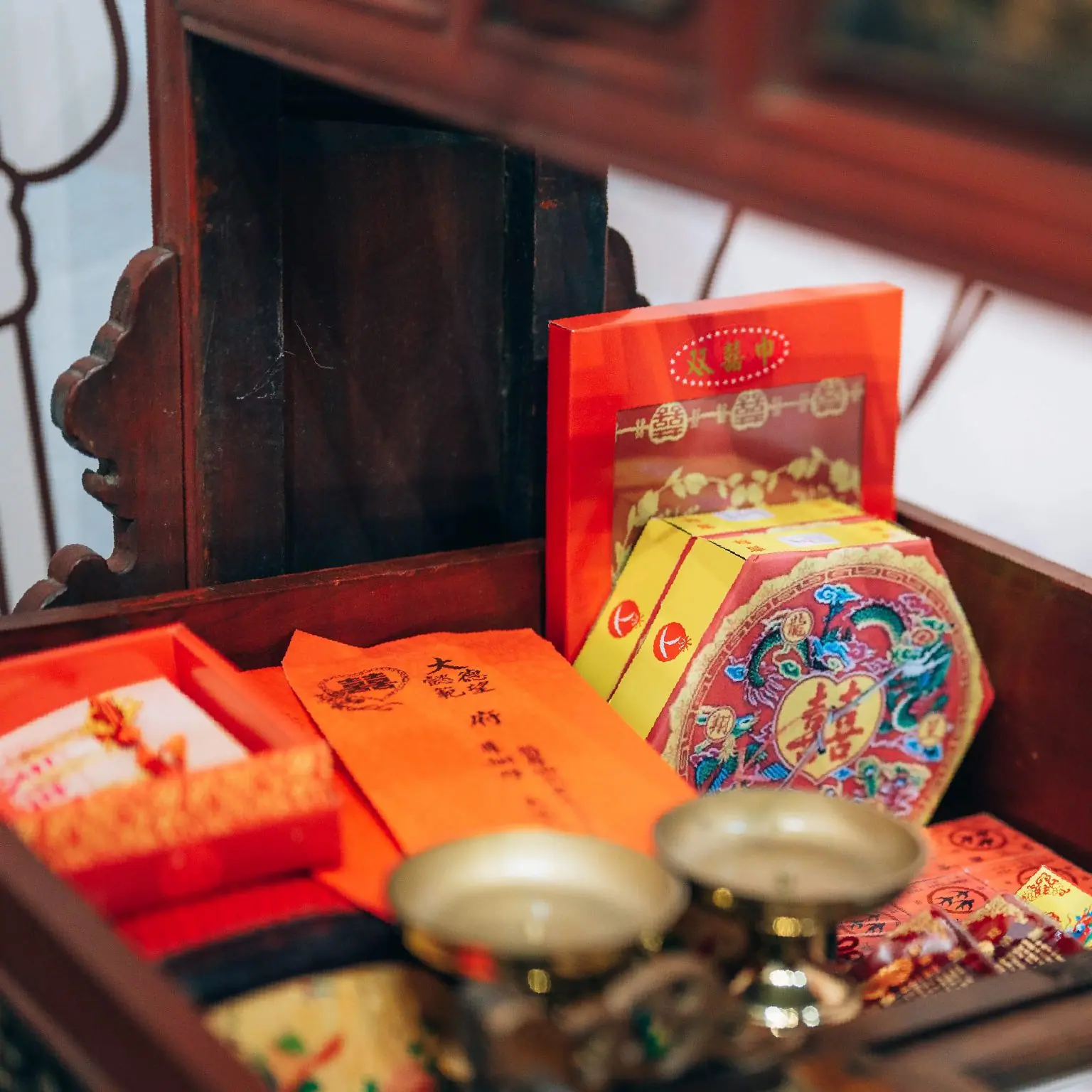
Curate an exhibition that helps audiences understand how the meaning of dowry furniture has shifted across generations, using actual furniture pieces, wedding tokens, and historical wall text to present the relationship between Daxi's woodcraft and dowry culture, while developing merchandise that extends the exhibition's cultural meaning.
Approach
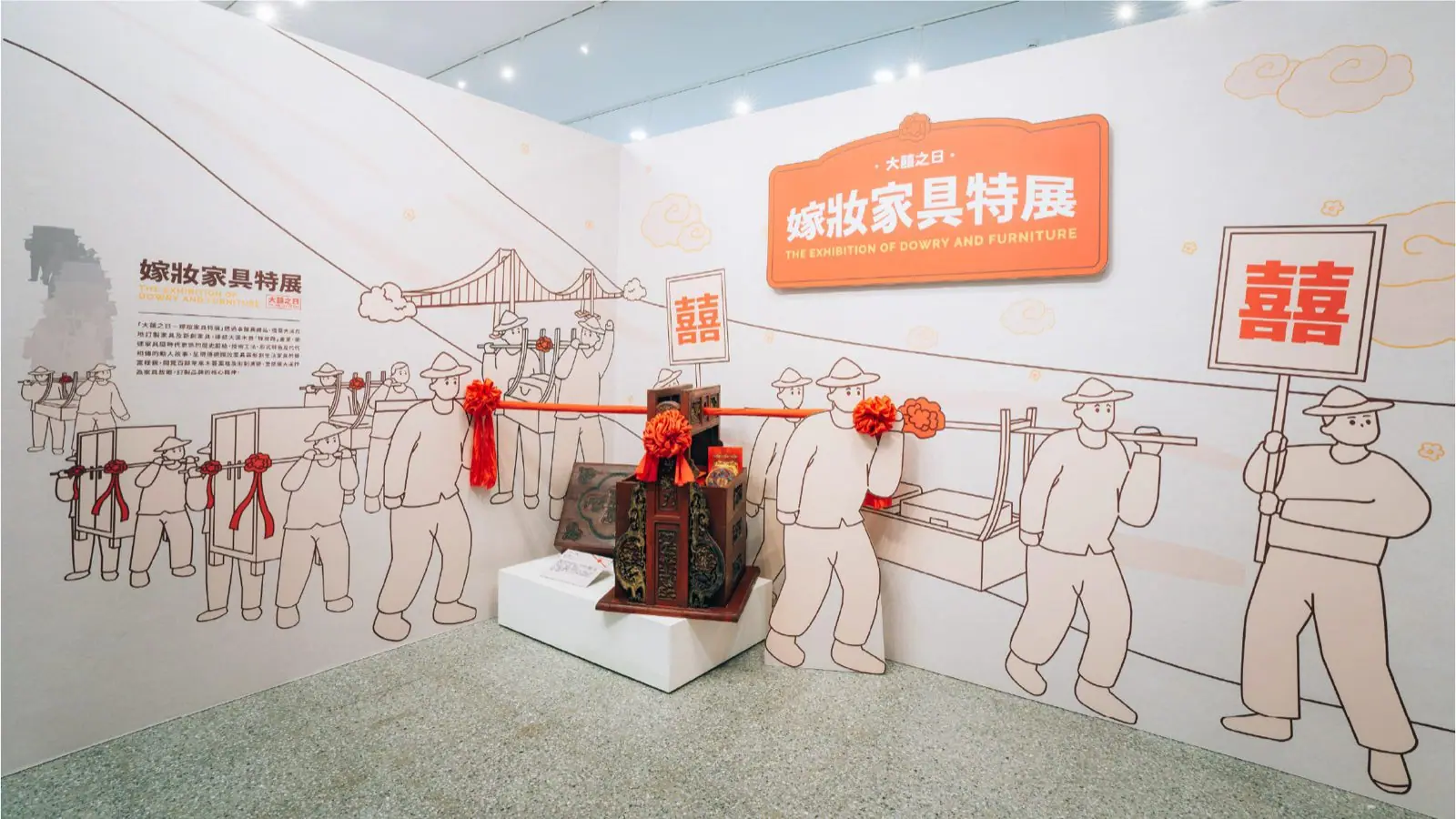
- Built the entrance key visual around illustrated figures from the wedding procession, guiding visitors step by step into the narrative of wedding customs and furniture craft.
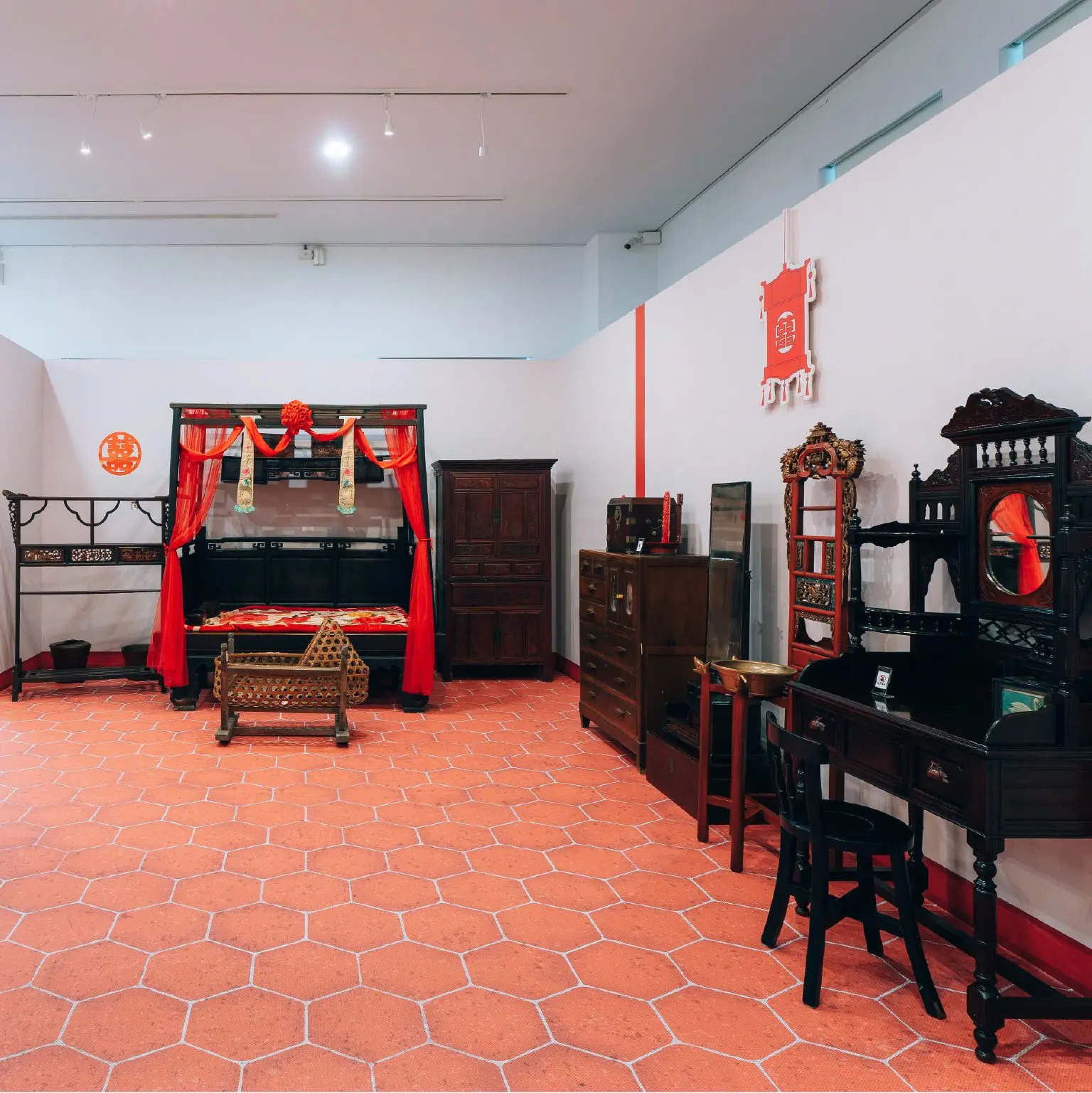
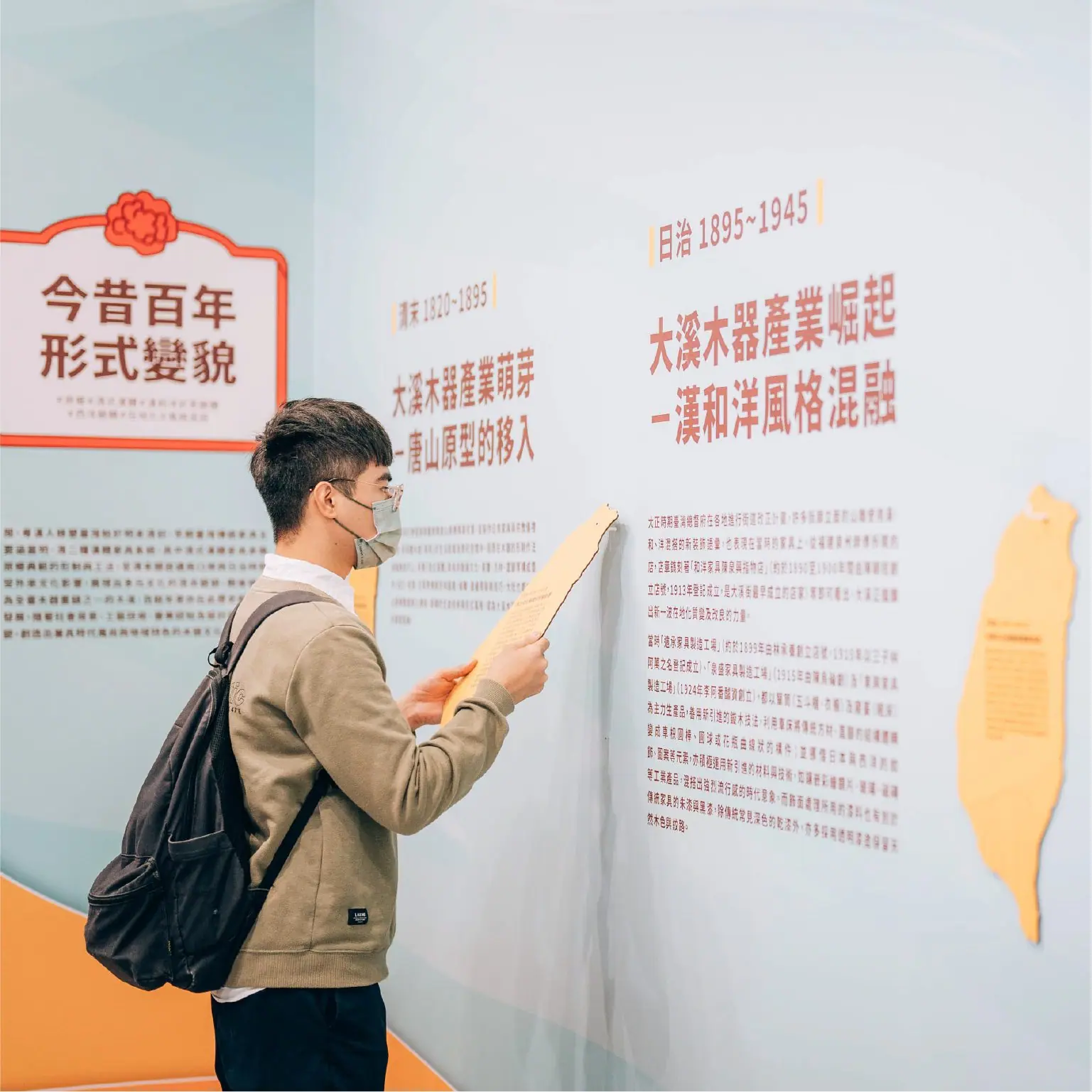
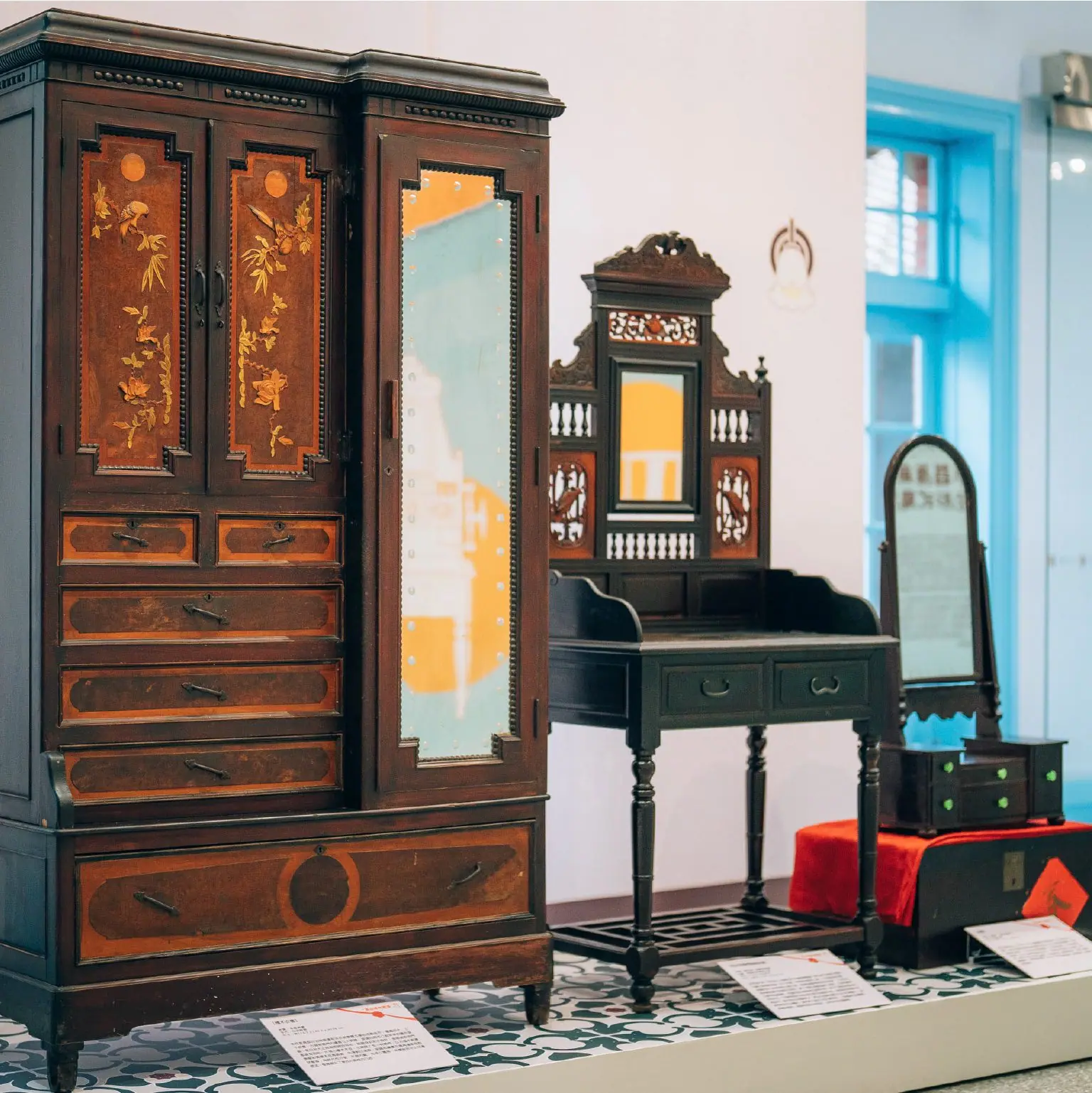
- Displayed actual dowry furniture, including wedding beds, wardrobes, and dressing tables, alongside historical wall text tracing the development of Daxi's furniture industry, letting visitors experience the craftsmanship up close.
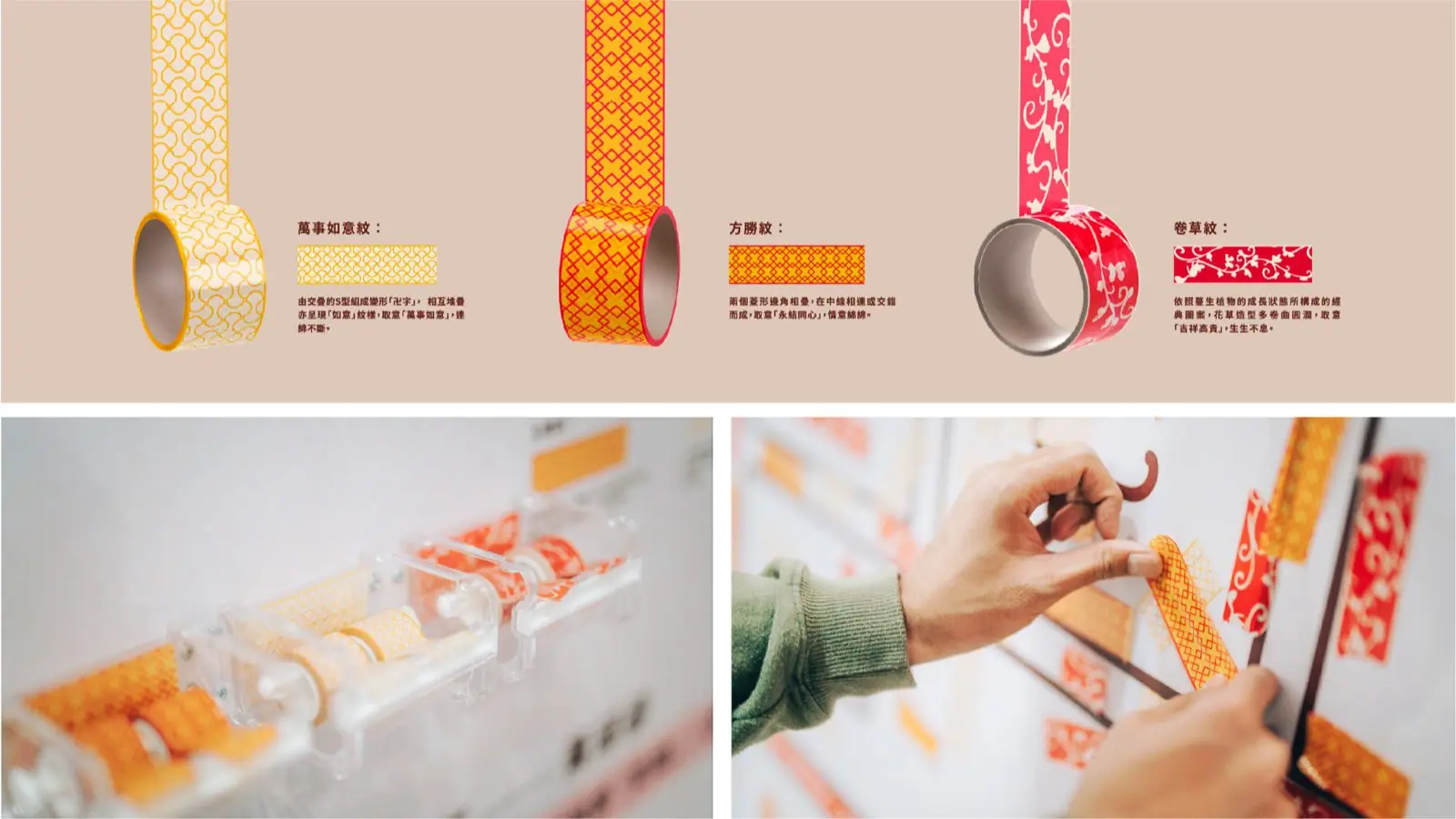
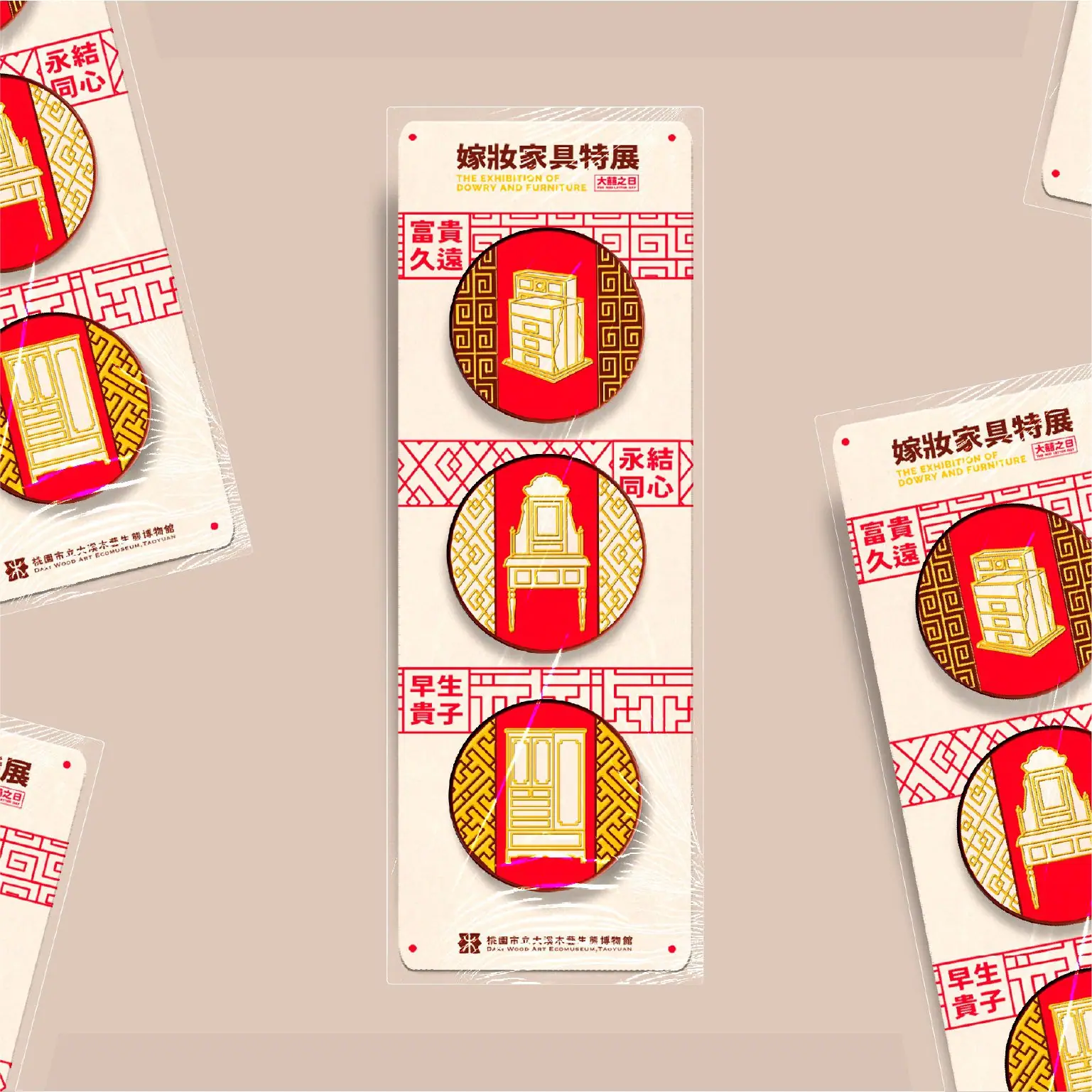
- Developed merchandise like washi tape and pin badges from dowry furniture patterns, turning exhibition content into keepsakes visitors could actually take home and extending the exhibition's cultural reach.
Outcome
'The Day of Great Joy: Dowry Furniture Exhibition' was completed end to end, from the entrance key visual and exhibition flow to the merchandise line. Visitors came away understanding the generational story behind Daxi's dowry furniture craft through actual furniture pieces and historical context, and the exhibition left behind curatorial assets the museum can continue to use.
Questions people ask
about projects like this.
How do you design a museum exhibition without damaging heritage sites or violating collection preservation rules?
We use modular, non-invasive construction methods and confirm display conditions and spatial constraints with the museum in advance, completing the spatial storytelling design within the museum's collection care standards.
How do you turn an abstract cultural theme, like dowry furniture, into an exhibition people actually want to see?
We start by identifying the emotional core behind the theme, in this case, legacy and blessing, then use spatial flow and narrative sequencing to draw visitors in, so the exhibition becomes a story to feel rather than just objects on display.
Related links
← Previous:Design as the Best Language: A Taiwan-Sweden Craft Exchange Exhibition
The next red thread